
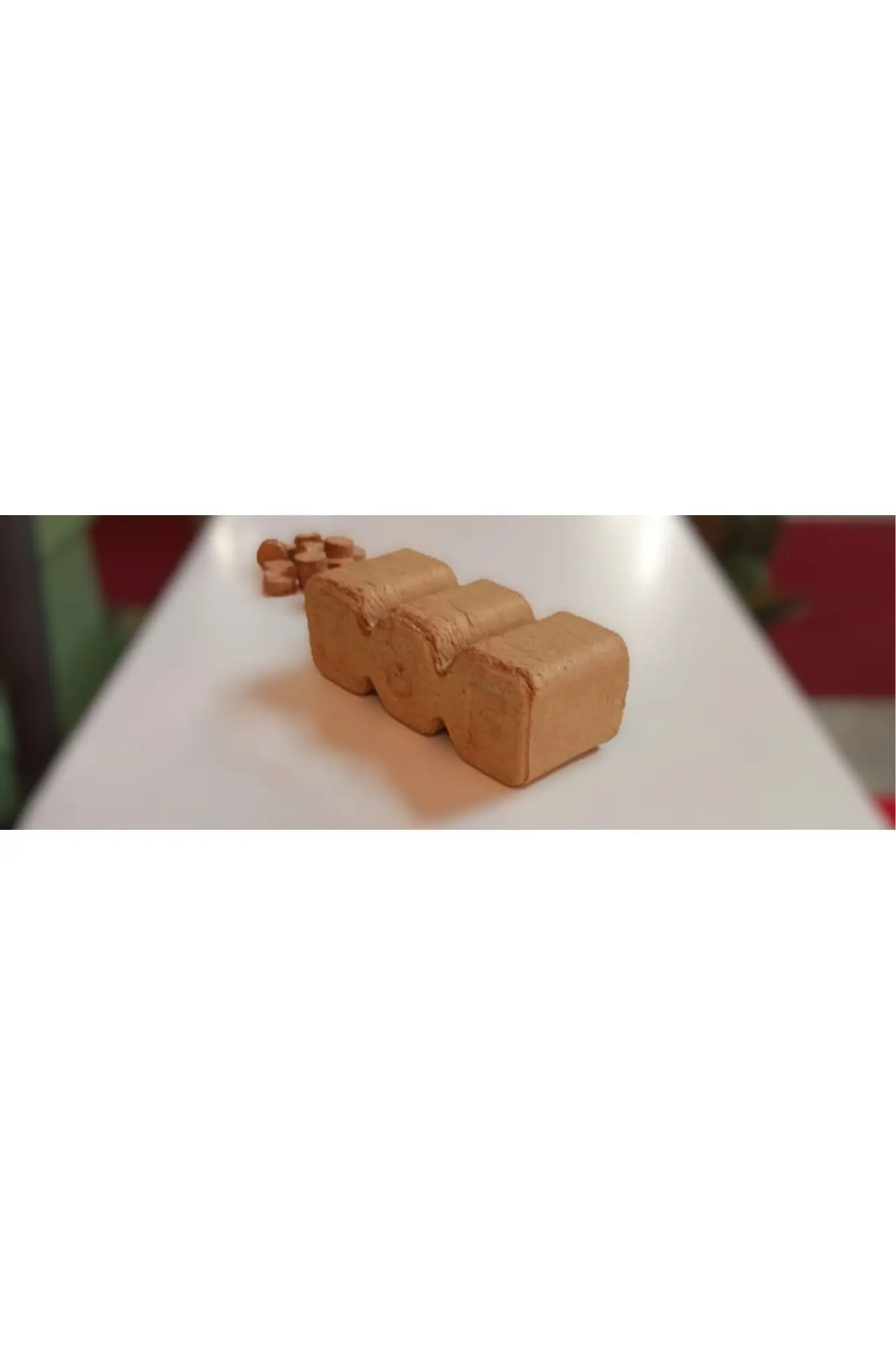
Wood briquetting technologies play a key role in converting waste into valuable fuel. This process involves several steps, from the processing of raw materials to the pressing itself (FAO, 2001). In this article, we will look in detail at the details of the different technologies and their importance for the energy sector.
Collection and preparation of raw materials
The basis of the briquetting process is the collection of suitable raw materials such as sawdust, chippings, shavings or wood dust. These materials must first be free from impurities such as stones, metal parts or other undesirable substances. This is followed by a drying process in which the moisture content of the materials is reduced to an optimum level (10-15%). Drying is a key step as high moisture content can reduce briquettes quality and incineration efficiency.
Types of pressing
The pressing process is at the heart of the briquetting technology. There are two main types:
1. High pressure pressing
- The biomass compresses under high pressure = natural binder, lignite, activates and fuses the particles together
- Process is ecological = does not require the use of additional chemicals
2. Low pressure pressing
- Method includes addition of binder materials = starch or clay
- This ensures the strength of the briquettes
- The procedure is less common
- May only be suitable for certain biomass types (FAO, 2001)
Modern briquetting machines
Current machines are designed to maximise efficiency and reduce energy consumption (FAO, 2001). These devices often contain automatic systems to control humidity, temperature and pressure. Some advanced models even allow different types of biomass to be processed at the same time, thus increasing their flexibility.
Energy efficiency
Modern briquetting technologies are energy efficient. Thanks to advanced heat recycling systems, they can reduce production costs and minimise emissions.
Wood briquetting technologies are an important part of the transition to renewable energy sources. Their constant evolution ensures that this process is increasingly effective and environmentally friendly. Thanks to technological innovation, it is now possible to produce high-quality briquettes that are available to a wide range of consumers.


